The History behind Reiki & Kinesiology
REIKI
Reiki is a spiritual healing practice that originated in Japan in the early 20th century, developed by Mikao Usui. Its roots can be traced back to ancient Buddhist practices, which emphasized meditation and the use of life energy (ki) to promote healing and well-being. In 1922, Usui established the first Reiki therapy clinic and began teaching others the techniques of using life force energy to facilitate healing. The practice quickly spread, gaining popularity in Japan and later in the West, particularly during the 1980s. Reiki practitioners believe that energy can be transferred through touch or distance healing, thereby promoting relaxation, reducing stress, and enhancing the body's natural healing processes. Over the years, various schools and styles of Reiki have emerged, each with unique techniques and philosophies, but all share a common goal of fostering balance and harmony within the individual.
KINESIOLOGY
Touch for Health kinesiology was developed in the early 1970's by Dr John Thie based on Traditional Chinese Medicine and using principles of acupressure, nutrition and Tibetan energy. Muscle testing assess stress responses from the structural, chemical and emotional areas. Kinesiology is the science of muscle testing with the focus on balancing the potential of the person.
HOW IT WORKS
The Touch for Health balancing techniques successfully manage pain and tension by balancing the potential of the person.
Muscle testers work to activate the self-healing energy of the person and use muscle testing to supply information on which to base choices. It is a wonderful compliment to both natural healing and orthodox medicine.
In Touch for Health Kinesiology we do goal balancing which focuses on aligning a person's physical, emotional and energetic systems to achieve a specific desired outcome or goal. This technique works on the premise that energy imbalances in the body can block progress towards a goal and that restoring balance can facilitate the realization of the goal.

Kinesiology
5 ELEMENTS
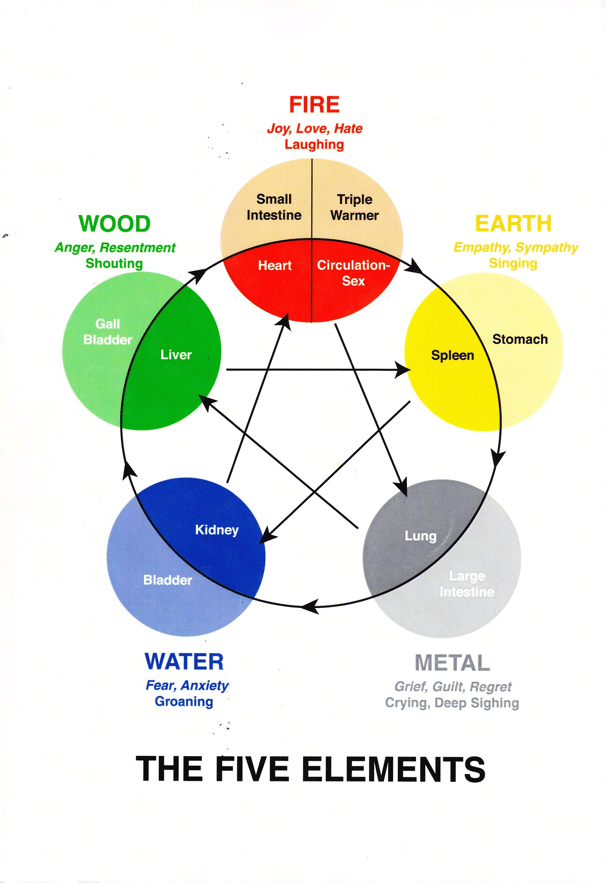
The Chinese philosophy of the Five Elements—Wood, Fire, Earth, Metal, and Water—plays a significant role in healing practices. Each element is associated with specific organs, emotions, and characteristics, contributing to a holistic approach to health and wellness. For instance, Wood represents the liver and the emotion of anger, while Fire corresponds to the heart and joy. Kinesiology makes use these elements to restore balance and harmony within the body.
Wellness
Kinesiologist and Reiki services for your health.
Healing
Balancing
admin@bygrace73.co.za
+27 82 458 3380
© 2024. All rights reserved.